
How Long Should a Calorie Deficit Last? Safe Duration & Signs
A calorie deficit should safely last 2–4 months, allowing gradual weight loss of 1–2 pounds per week. After reaching your goals or this timeframe, transition to a maintenance phase or diet break to protect metabolism, hormones, energy levels, and prevent nutrient deficiencies.
Overly long or severe deficits can cause fatigue, stalled weight loss, hormonal disruption, and muscle loss.
What is Calorie Deficit?
A calorie deficit occurs when you consume fewer calories than your body burns.
Btw you still can gain muslce during this time, if you need more info on that, click here.
For sustainable weight loss, a moderate deficit that produces about 1–2 pounds (0.5–1 kg) per week is usually recommended.
This often involves reducing daily intake by roughly 500–1,000 calories. Many programs suggest aiming to lose 5–10% of body weight over approximately six months. This gradual pace allows habits to solidify and weight loss to be more maintainable.
My Personal Advice as Dietician
Duration matters.
Calorie deficits should always be temporary.
Dieting is a phase, not a permanent state.
The body is not built to be underfed continuously.
A typical caloric restriction phase lasts around 2–4 months (8–16 weeks), after which you should reach your goal or transition to maintenance.
Remaining in a deficit longer than this can slow metabolism, affect hormones, and reduce energy.
Most people follow a structured deficit for several weeks to a few months, then pause or taper into maintenance.
Planned maintenance periods or “diet breaks” equal to or longer than the dieting phase help prevent negative effects from prolonged restriction.
Signs a Deficit Has Lasted Too Long
Prolonged or aggressive dieting can trigger physiological and psychological warning signs:
1. Weight Plateau
As weight drops, your metabolism naturally slows. Even with the same calorie intake, your progress can stall.
So, if you have a plateau persisting beyond 2–3 weeks, your body might be indicating it has adapted or your tracking is inaccurate.
2. Low Energy and Fatigue
Personally from my client, i see that Extended restriction often causes persistent tiredness, weakness, or brain fog.
It’s the body way of conserving energy by slowing thyroid activity and lowering overall energy expenditure.
3. Constant Hunger or Cravings
I have this too and Hunger hormones rise, and satiety hormones fall. The Feeling that you are getting of insatiable or thinking about food constantly signals that your deficit is too aggressive.
4. Hormonal and Reproductive Changes
This effect both genders as Women may miss periods and men may notice reduced libido or lower testosterone.
So, Chronic under-eating can impair reproductive health and bone density. I hope you pay attention to that too.
5. Mood or Cognitive Shifts
One thing oftern underlooked is that in the case of Extreme restriction, it may trigger depression, irritability, anxiety, or even difficulty focusing.
6. Physical Signs of Malnutrition
Another underlooked, but once you notice them, they are hard to miss os the Hair loss, brittle nails, frequent illness, feeling cold, constipation, or dehydration.
Even in a deficit, you should not feel extreme hunger or show malnutrition signs.
If any of these signs appear in your case, it’s time to increase calories or consult a professional. Long-term deficits can weaken the heart, slow metabolism, and even increase injury risk.
Is Calorie Cutting Always Required?
Well, it’s not that simple.
Yes Weight loss do require a negative energy balance, but reducing calories is not the only method.
Strict calorie counting isn’t mandatory for everyone too unlike popular belief.
Diet quality and lifestyle changes like eating whole foods, prioritizing protein and fiber, and increasing activity can create the same deficit naturally.
If you Combine moderate calorie reduction with these strategies, then it will often produces sustainable results without prolonged extreme restriction.
What is the Safe Duration and Adjustment for Deficit?
Timeline wise for most adults, i would say a structured deficits should last 8–16 weeks, depending on goal size and starting point. But Heavier individuals or those with more to lose may follow a longer deficit, but breaks are still essential.
Don’t overdo it as it can have more negative effect in the long run.
Diet breaks
If we are taking a short maintenance phase (1–2 weeks), it can restores hormones and energy, reduces metabolic slowdown, and helps maintain adherence.
Intermittent higher-calorie days or weekly refeeds can also support a longer overall plan without harming metabolism.
But you must Track your energy levels, mood, performance, and weight changes.
If fatigue, stalled progress, or other warning signs appear, i want you to pause the deficit, increase intake to maintenance, and resume only when recovered.
Calculating a Safe Deficit
Here is a calculator that will help you determine and give you a mini plan too. Click here to access it.
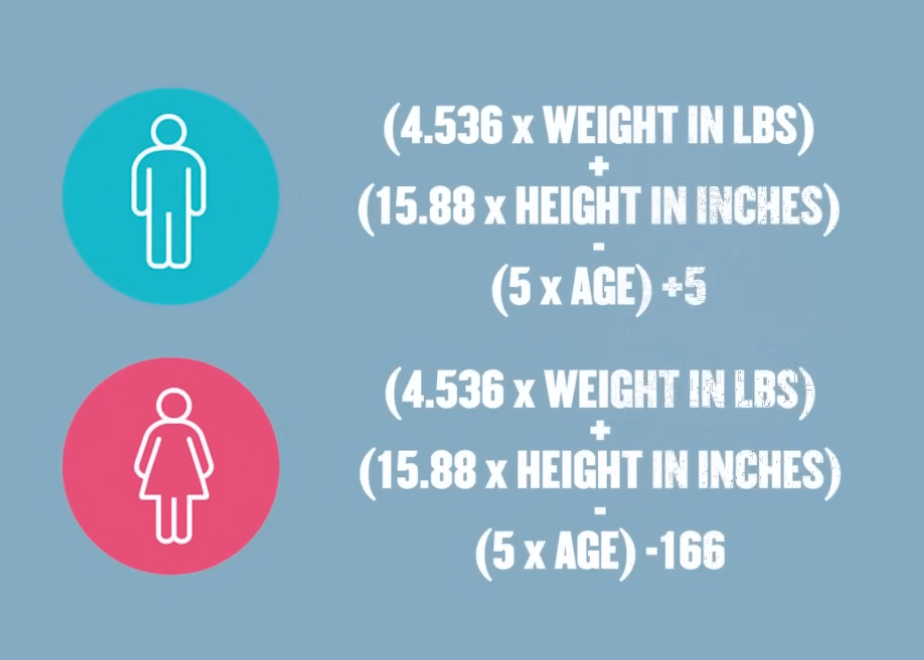
But if you prefer manual calculations, you can estimate Total Daily Energy Expenditure (TDEE) first:
BMR (resting energy needs):
- Men: BMR = 10 × kg + 6.25 × cm − 5 × age + 5
- Women: BMR = 10 × kg + 6.25 × cm − 5 × age − 161
Adjust for activity: Multiply BMR by 1.2–1.9 depending on activity level.
Set the deficit: Subtract 10–20% of TDEE for steady weight loss (≈500 kcal/day). Recalculate TDEE as weight decreases to maintain a safe deficit.
Do not go below safe minimum intakes without professional guidance.
Physiological Effects of Extended Deficits
I have seen a few of my clients go through with this and i want to help you avoid experiencing it as Long-term deficits can trigger:
- Metabolic slowdown: Your Daily energy expenditure will drop more than expected from weight loss alone.
- Hormonal changes: Hormones like Leptin, thyroid hormones, and other metabolic regulators decline. So, this basically means Hunger will rise and energy burn falls.
- Muscle and bone loss: Extended restriction can reduce muscle mass and impair bone health.
- Immune and reproductive suppression: Reduced immunity and disrupted menstruation or testosterone levels may occur.
- Psychological strain: You will experience more mood disturbances and increase your food obsession.
So, thats why i mentioned above that Planned breaks and moderate refeeds are essential to counter these effects.
You can’t just go raw dog this without any plan, proper guidance and calculations is required.
Demographic Guidelines: Typical Deficit Timelines
I have build a table (although, it should still be taken as informational and not literal medical advice) as every situation differs and there are a lot of variables which cannot be simply summarised into a chart.
| Profile | Age | Height/Weight | Activity | Maintenance (TDEE) | Deficit | Intake | Est. Fat Loss/week |
|---|---|---|---|---|---|---|---|
| Young Man | 18–35 | 6′2″, 200 lb | Mod active | 3000 kcal | –750 kcal | 2250 kcal | 1.5–2 lbs |
| Average Man | 25–45 | 5′10″, 180 lb | Mod active | 2600 kcal | –500 kcal | 2100 kcal | 1 lb |
| Older Man | 50+ | 5′7″, 170 lb | Light active | 2200 kcal | –400 kcal | 1800 kcal | 0.8 lb |
| Young Woman | 18–35 | 5′8″, 160 lb | Mod active | 2500 kcal | –600 kcal | 1900 kcal | 1–1.2 lbs |
| Average Woman | 25–45 | 5′4″, 150 lb | Mod active | 2200 kcal | –500 kcal | 1700 kcal | 1 lb |
| Older Woman | 50+ | 5′2″, 140 lb | Light active | 1800 kcal | –300 kcal | 1500 kcal | 0.5 lb |
| Teen Boy | 14–18 | 5′9″, 150 lb | Active | 2700 kcal | –500 kcal | 2200 kcal | 1 lb |
| Teen Girl | 14–18 | 5′5″, 130 lb | Active | 2200 kcal | –400 kcal | 1800 kcal | 0.8 lb |
| Obese Woman | 25–50 | 5′6″, 200 lb | Sedentary | 2400 kcal | –800 kcal | 1600 kcal | 1.5–2 lbs |
| Obese Man | 25–50 | 6′0″, 250 lb | Sedentary | 3000 kcal | –1000 kcal | 2000 kcal | 2 lbs |


